
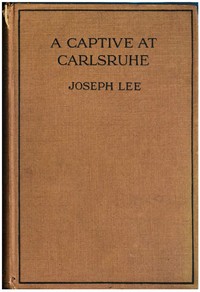
A Captive at Carlsruhe and Other German Prison Camps by Joseph Lee
Joseph Lee's book is his firsthand account of being a civilian prisoner in Germany during the First World War. He wasn't a soldier captured in combat; he was simply in the wrong place at the wrong time. When war was declared, he and other British citizens living or traveling in Germany were rounded up and sent to a series of prison camps, with Carlsruhe being a major one.
The Story
The book follows Lee's journey from the shock of his arrest through years of confinement. He describes the camps in detail—the crowded quarters, the bland food, the strict routines. But more than the physical conditions, he focuses on the psychological landscape. He writes about the other prisoners, a mixed bag of men from all walks of life, and how they coped. He details the complex, often tense, relationships with the German guards, who could be harsh one day and surprisingly decent the next. There's no single, dramatic escape plot. The story is in the slow grind of time, the struggle against despair, and the small victories of maintaining a sense of self through art and observation.
Why You Should Read It
I was completely drawn in by Lee's voice. He's not angry or seeking revenge; he's thoughtful and often surprisingly funny in a dry, British way. His perspective as an artist makes the writing incredibly visual. You can see the scenes he describes. The book made me think about a part of war we rarely discuss: the civilians who get trapped. It strips away the grand strategy and shows the human cost in a very quiet, personal way. Lee finds humanity on both sides of the barbed wire, which is a powerful and complicated thing to read. It’s less about who was right or wrong, and more about how people adapt and endure.
Final Verdict
This is a perfect pick for anyone interested in WWI history who wants to go beyond the trenches. If you enjoy personal diaries, stories of resilience, or accounts that show the nuances of human behavior under pressure, you'll get a lot out of this. It's not a fast-paced adventure, but a thoughtful, absorbing look into a forgotten corner of the past. You'll come away with a much deeper understanding of what 'internment' really meant.
This masterpiece is free from copyright limitations. Enjoy reading and sharing without restrictions.
Michael Flores
2 years agoBeautifully written.
Elijah Flores
7 months agoSurprisingly enough, it provides a comprehensive overview perfect for everyone. A true masterpiece.


Jessica Gonzalez
11 months agoCitation worthy content.