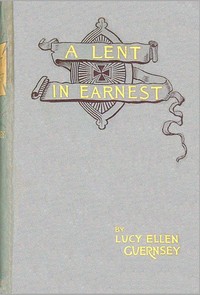
A Lent in earnest : or, Sober thoughts for solemn days by Lucy Ellen Guernsey
Okay, confession time: I first grabbed Lucy Ellen Guernsey's 'A Lent in Earnest' because the title sounded so serious. I was expecting a religious lecture. Instead, I got a page-turner about nothing less than the human heart.
The Story
But wait, isn't this a non-fiction book about a religious season? Yes, but Guernsey doesn't just explain Lent. She takes us through a 'journey of 40 days' with a very practical X-ray machine. Each chapter is a short, punchy essay that tackles a common habit: getting angry quickly, wanting people to applaud us, checking out of hard moments, jamming our schedules so full we forget to breathe. The 'plot' is watching a wise friend (Guernsey) gently, but firmly, point out where our internal armor is chipped. She raises stories from daily life in 1850s America—a grumpy neighbor, a selfish impulse at the market—to tear down our excuses for staying stuck. The mystery is: will we actually take the advice and break free from our worn-out patterns?
Why You Should Read It
The biggest surprise? Guernsey is hilariously blunt. She writes about 'the fuss we make over little things' and how we 'walk backwards' away from the point of living. I underlined so many lines. For instance, one chapter about simpering apologies had me actually closing the book and staring out the window for ten minutes. This isn't feel-good self-help fluff; it’s like having your wisest old grandmother sit you down and say, 'Honey, what are you really afraid of?' The theme lands hard: we waste our days convincing ourselves small stuff is huge, Guernsey shows us the simple, absurd bravery of living with our eyes wide open. She respects you enough to be honest about your own cage. Honestly, I felt seen in a way that was both welcome and a little uncomfortable.
Final Verdict
If you're looking for an pop-psychology shortcut, this ain't it. 'A Lent in Earnest' is for the person who has time to be introspective and a hankering for profound wisdom wrapped in 19th-century language. Not everyone will love the reverent tone or the occasional archaic word, so maybe read an excerpt first. Perfect for journalers, reflective teen readers, anyone grappling with anxiety or perfectionism, or people seeking a thoughtful spiritual season that leaves the bunny rabbits behind. It would be great choice for a silent book club or as a slow evening chapter book—something to chew on and talk about the next day.
You are viewing a work that belongs to the global public domain. Thank you for supporting open literature.