
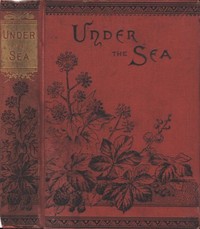
Eric by S. B. C. Samuels
Published in 1889, Eric follows a young English boy whose life is turned upside down when his family emigrates to New Zealand. We see his journey from the familiar comforts of home to the raw, unfamiliar landscape of a colonial settlement. The story walks us through Eric's eyes as he deals with seasickness on the long voyage, the shock of a new and often harsh environment, and the deep ache of missing everything he's ever known.
The Story
The plot is straightforward but powerful. Eric isn't chasing treasure or fighting villains. His conflict is internal and environmental. He struggles to make friends in a place where he feels like an outsider. He has to learn new skills to help his family survive and thrive in their new home. The book shows his small victories and setbacks—learning to ride a horse, helping build a house, or simply finding a moment of beauty in the rugged New Zealand bush. It's a slow, steady story of adaptation, watching a scared boy gradually become a more confident young man shaped by his new world.
Why You Should Read It
What I loved most was its honesty. Samuels doesn't romanticize the pioneer experience. It's hard, lonely work. Eric's feelings of isolation are so real you can almost touch them. Yet, there's a quiet hope woven through it all. The book is really about the universal experience of displacement and the resilience we can find in ourselves. Eric's journey mirrors what so many people—then and now—go through when they start over somewhere new. It’s also a fascinating, ground-level look at colonial life that you don't often get in history books.
Final Verdict
This book is perfect for readers who enjoy gentle, character-driven historical fiction. If you liked the feeling of books like Little House on the Prairie but from a British immigrant's perspective, you'll connect with this. It’s also a great pick for anyone interested in New Zealand's history or stories about the challenges and triumphs of starting a new life. Don't go in expecting fast-paced action. Go in for a quiet, thoughtful, and genuinely moving portrait of a boy growing up between two worlds.
Legal analysis indicates this work is in the public domain. Share knowledge freely with the world.
William Martin
2 years agoThis digital copy caught my eye due to its reputation, the wealth of information provided exceeds the average market standard. It cleared up a lot of the confusion I had previously.
Matthew Davis
8 months agoI found the author's tone to be very professional yet accessible, the critical analysis of current industry standards is very timely. This exceeded my expectations in almost every way.
Mary Williams
10 months agoI stumbled upon this title during my weekend research and the formatting on mobile devices is surprisingly crisp and clear. Finally, a source that prioritizes accuracy over hype.
Thomas Wilson
10 months agoRight from the opening paragraph, the inclusion of diverse viewpoints strengthens the overall narrative. It’s hard to find this much value in a single source these days.






Charles Johnson
6 months agoOne of the most comprehensive guides I've read this year.