
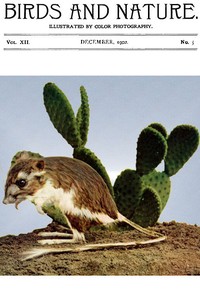
Birds and Nature, Vol. 12 No. 5 [December 1902] by Various
Let's be clear from the start: this isn't a book with a plot. Birds and Nature, Vol. 12 No. 5 is a digitized artifact—a complete issue of a monthly magazine published in December 1902. It's a collection of essays, observations, and stunning artwork dedicated entirely to the natural world in winter.
The Story
There's no narrative arc, but there is a clear seasonal focus. The 'story' is the winter landscape itself. You'll find articles on how different animals survive the cold, from the industrious squirrel to the hardy chickadee. There are detailed descriptions of winter birds, often accompanied by full-page, hand-colored plates that are works of art in themselves. Poems about nature are sprinkled between scientific notes. It’s a snapshot of a specific moment in time, both in the calendar year and in the history of how everyday people engaged with science and beauty.
Why You Should Read It
I loved this for its pure, uncynical charm. The writing isn't flashy; it's earnest and descriptive, born from genuine curiosity. Reading it forces you to slow down. You can't skim it. You have to linger on the illustrations—the careful shading of a blue jay's feathers, the delicate lines of a bare winter branch. It’s a powerful antidote to the noise of modern life. It also quietly highlights how much has changed in our environment and in our common knowledge. The assumption that readers would know dozens of local bird species by sight is both impressive and a little heartbreaking.
Final Verdict
This is perfect for anyone who loves nature, history, or beautiful old books. It's a treasure for birdwatchers, who will enjoy comparing notes with observers from 120 years ago. It’s also great for anyone feeling digitally overloaded; spending 30 minutes with this magazine is a genuine mental reset. Don't go in expecting a story. Go in expecting a quiet, illustrated conversation with the past about the enduring wonders right outside your door.
This masterpiece is free from copyright limitations. Thank you for supporting open literature.
George Garcia
1 year agoFrom a researcher's perspective, the objective evaluation of the pros and cons is very refreshing. This exceeded my expectations in almost every way.
Elizabeth Perez
2 months agoUnlike many other resources I've purchased before, the historical context mentioned in the early chapters is quite enlightening. A trustworthy resource that I'll keep in my digital library.
James Wilson
2 years agoThe clarity of the introduction set high expectations, and it manages to maintain a consistent flow even when discussing difficult topics. It definitely lives up to the reputation of the publisher.

Kimberly Thomas
2 years agoFrom a researcher's perspective, the formatting on mobile devices is surprisingly crisp and clear. I'm genuinely impressed by the quality of this digital edition.